
Finding web hosting in Delhi can feel confusing because many providers show similar pricing, performance claims, and feature lists. Looking at promotional details alone does not always explain how a hosting platform performs during regular website activities.
You may also start asking practical questions before selecting a plan. Which provider handles speed better? Which option offers reliable support, stronger uptime, and smoother management for everyday usage as visitor activity gradually increases?
To understand the practical experience more clearly, these hosting providers were reviewed across 7–8 months using blogs, business websites, WordPress projects, and online stores to understand their usability, performance behavior, and long term value.
What is Web Hosting in Delhi?
Web hosting in Delhi refers to services that store website files, databases, images, and content on secure servers while making websites available online for visitors. Choosing a provider with suitable server locations can also help improve website performance and browsing experience.
Why Can Server Location Matter?
How We Selected These Web Hosting Providers
Selecting a hosting provider by checking only pricing or promotional offers does not always show how a platform performs in practical situations. Website behavior usually becomes clearer after visitor activity increases and websites begin handling regular usage.
For this comparison, these hosting providers were reviewed across 3-4 months using blogs, business websites, WordPress websites, online stores, and websites receiving increasing traffic levels to understand their real world performance, usability, and long term value.
| Testing Category | Main Focus | Review Method | Purpose |
| Website Performance | Loading speed and server response | GTmetrix and PageSpeed Insights | Helps create faster website experiences |
| Stability Monitoring | Website uptime and consistency | Uptime tracking tools | Keeps websites available for visitors |
| Security Features | SSL, backups, and website protection | Security feature evaluation | Helps improve website safety |
| Support Experience | Response quality and problem handling | Live chat and support tickets | Helps resolve technical issues faster |
| Resource Flexibility | Resource upgrades and scaling options | Hosting plan comparison | Supports website expansion later |
| Pricing Analysis | Features compared with overall cost | Value and pricing review | Helps understand long term costs |
| Dashboard Experience | Website controls and usability | Practical website usage testing | Makes website management simpler |
5 Best Web Hosting in Delhi in 2026
Trying to choose the right hosting provider? Each platform offers something different for different website requirements. Below, you will see features, pricing, advantages, limitations, and the type of websites each provider can support more effectively.
1. YouStable – Fast Hosting With Indian Payment Support
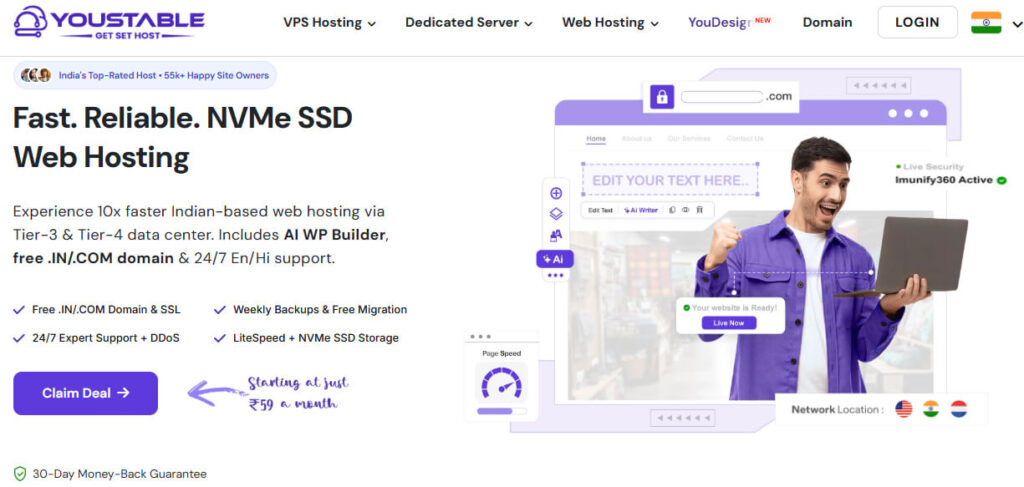
Starting a website can feel simple at first, but comparing hosting plans later often creates confusion because many providers offer similar features and pricing options for different website requirements.
You may want a hosting platform that feels comfortable for beginners while still supporting websites when visitors, content, and resource usage begin increasing gradually over time.
YouStable offers multiple hosting environments, local payment convenience, Hindi and English support, performance focused technologies, and flexible upgrade options that fit blogs, business websites, WordPress projects, and websites expecting future growth.
Key Features of YouStable
Pros
- Beginner friendly hosting environments available
- Hindi and English support options available
- UPI payments simplify billing process
- Flexible upgrade choices for growing websites
- Free migration support included
Cons
- Fewer global server regions available
- Premium plans increase overall cost
- Advanced resources require higher plans
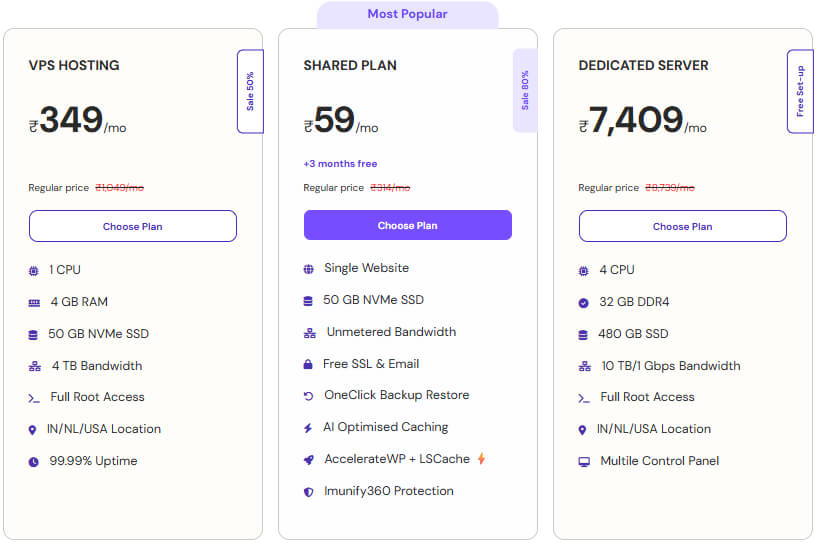
Plans & Pricing
2. DigitalOcean – Flexible Cloud Platform For Growing Projects
Some website owners eventually require more control because traditional hosting environments may not provide enough flexibility for applications and websites handling changing workloads and larger infrastructure requirements.
Projects involving applications, cloud services, and growing platforms often require environments where resources can be adjusted according to traffic patterns and future development requirements.
DigitalOcean focuses on cloud based services, scalable infrastructure resources, managed databases, and developer tools that help users build and manage projects with greater flexibility and control.
Key Features of DigitalOcean
Pros
- Flexible cloud infrastructure resources available
- Multiple worldwide data center locations
- Developer tools support automation tasks
- Resource scaling works efficiently
Cons
- Technical learning curve for beginners
- Shared hosting plans unavailable
- Manual configuration required for many tasks
3. MilesWeb – Beginner Friendly Hosting With Local Servers
Not everyone wants a hosting environment filled with complicated controls because many users simply prefer something manageable while creating blogs, business websites, and WordPress projects.
Smaller websites and growing projects usually benefit from hosting platforms that focus on simpler website management along with practical features for everyday website activities.
MilesWeb provides multiple hosting solutions, managed WordPress environments, migration assistance, and website management features that help users handle projects more comfortably during different growth stages.
Key Features of MilesWeb
Pros
- Managed WordPress environments available
- Website migration assistance included
- Multiple hosting solutions available
- Website controls feel easier initially
Cons
- Renewal pricing becomes higher later
- Entry plans include fewer resources
- Higher traffic may require upgrades
Plans & Pricing
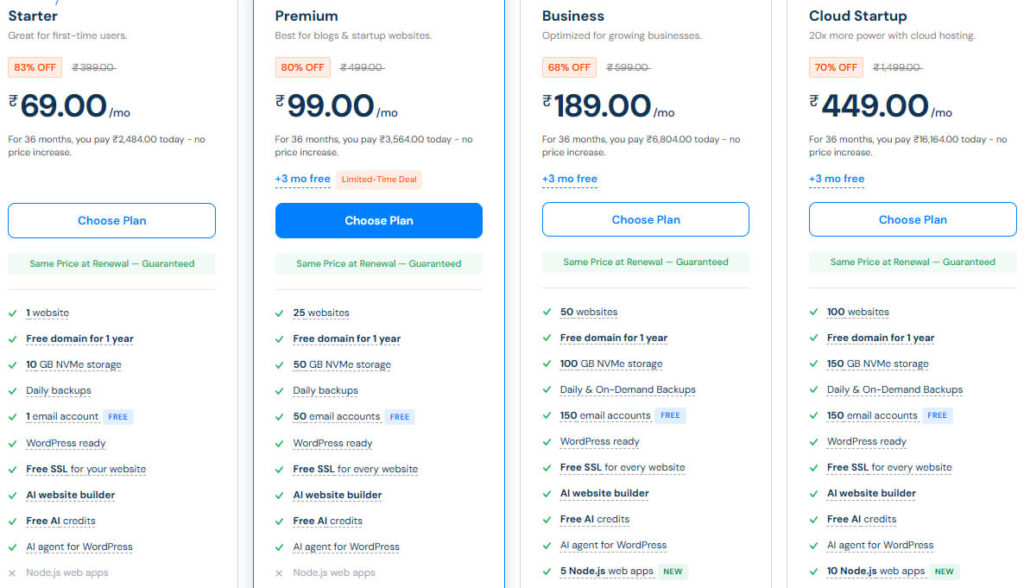
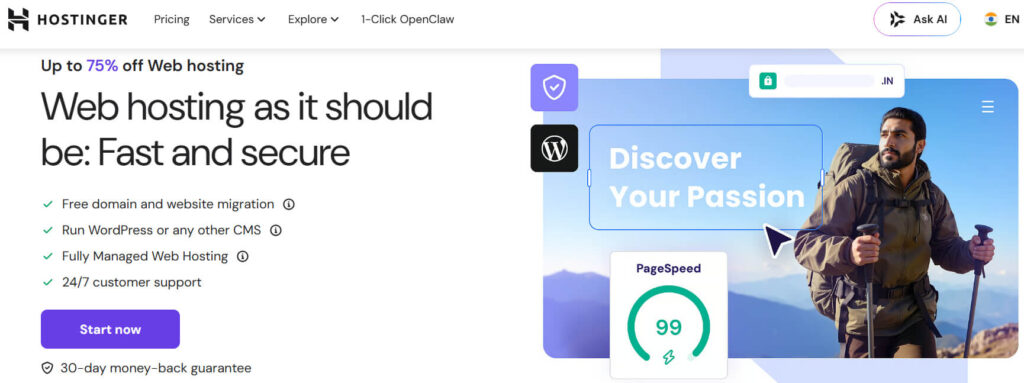
4. Hostinger – Simple Dashboard With Faster Website Performance
Opening a hosting dashboard for the first time can sometimes feel confusing because too many options and settings often appear together for users starting their website journey.
Many website owners prefer platforms that make website handling easier without requiring additional time understanding technical settings and complicated management interfaces during the beginning stage.
Hostinger focuses on cleaner website management through its custom dashboard, AI powered tools, optimization features, and hosting environments suitable for blogs, online stores, and business websites.
Key Features of Hostinger
Pros
- Cleaner custom dashboard interface available
- AI tools simplify website activities
- Performance optimization features included
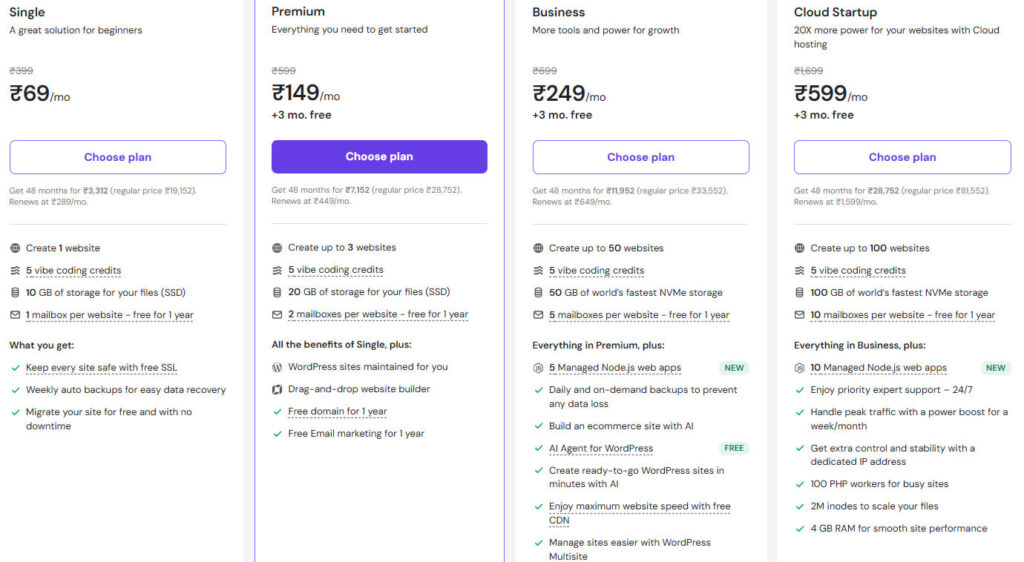
- Lower initial pricing available
Cons
- Renewal pricing changes significantly later
- Phone support options remain limited
- Smaller plans may feel restrictive
Plans & Pricing
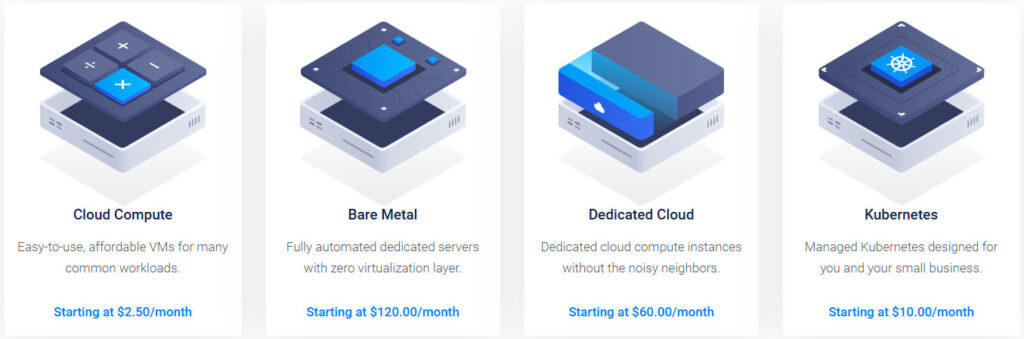
5. Vultr – Developer Focused Cloud Hosting With Flexibility
Some projects continue expanding over time and begin requiring stronger resources because traditional hosting environments may not provide enough flexibility for custom server requirements and larger workloads.
Applications and cloud projects often require environments where computing resources can adjust according to changing usage patterns and performance requirements without creating unnecessary limitations later.
Vultr focuses on cloud infrastructure, flexible deployment options, global server locations, and customizable environments designed for users requiring greater control over server resources.
Key Features of Vultr
Pros
- Global infrastructure locations available
- Usage based billing system available
- Flexible resource customization options
- Strong cloud performance environments
Cons
- Beginner learning curve exists
- Technical setup requires experience
- Traditional shared hosting unavailable
Plans & Pricing
How to Choose the Best Web Hosting in Delhi in 2026
Choosing a hosting provider is not only about checking lower pricing or comparing larger feature lists because actual performance usually becomes noticeable after visitors begin reaching your website regularly. Speed, security, uptime, support quality, and future expansion can all affect the website experience later.
The points below can help you review important areas more clearly before selecting a hosting provider according to your website type and future requirements.
Step 1: Understand What Your Website Actually Requires
Before selecting a hosting plan, spend some time understanding what kind of website you want because every website uses resources differently. A personal blog, business website, and online store often require different hosting environments.
For example:
Step 2: Look at Server Distance and Visitor Location
Website information travels from hosting servers to visitors. When visitors are closer to server locations, website pages can respond more efficiently and create a smoother browsing experience.
Nearby server locations can help with:
Step 3: Understand the Technologies Behind Website Speed
Many hosting providers mention faster website performance, but speed usually depends on multiple technologies working together behind the platform instead of a single feature.
| Technology | Main Role | Benefit |
| NVMe SSD Storage | Processes website data faster | Improves loading responsiveness |
| LiteSpeed Server | Handles website requests efficiently | Delivers pages more quickly |
| CDN Support | Uses nearby delivery locations | Reduces loading delays |
| Caching Systems | Stores temporary website information | Improves repeat visit speed |
Step 4: Review Website Protection Features
Website protection becomes important because websites can store customer details, contact forms, business information, and important content. Proper security measures can help reduce future risks.
Important protection features include:
Step 5: Check How Support Teams Handle Problems
Technical problems can appear unexpectedly, and response quality often becomes important during those situations. Faster assistance can help reduce interruptions and solve issues more effectively.
Things worth reviewing:
Step 6: Think Beyond Current Website Size
A website with fewer visitors today can gradually expand later. Flexible hosting environments can help websites handle additional traffic and changing requirements more comfortably.
Future growth options can include:
Step 7: Review Overall Value Before Paying
Lower pricing can receive attention during the beginning stage, but future costs and included features often create larger differences later.
Compare these areas carefully:
FAQs
1. Is web hosting in Delhi suitable only for local websites?
No, web hosting in Delhi is not limited to local websites only. A website can still receive visitors from different countries and regions. Server location mainly helps improve speed and response time for audiences closer to that region.
2. How much storage does a new website usually require?
Storage requirements usually depend on website content and usage. Smaller websites often require less storage in the beginning, while larger websites may require more resources later.
General examples:
• Blogs and portfolio websites usually start with smaller storage requirements
• Business websites may require moderate storage space
• Online stores often require larger storage for products and media files
3. Can website speed affect visitor experience?
Yes, website speed can directly influence how visitors interact with a website. Slow loading pages may affect browsing experience, while faster websites can help visitors access content more comfortably.
4. What should be checked before moving an existing website to a new host?
Moving a website becomes easier when important details are reviewed before starting the migration process.
Things worth checking:
• Backup availability
• Website migration support
• Domain settings
• Email configuration
• Database transfer options
5. Can beginners use VPS hosting directly?
Yes, beginners can use VPS hosting, but it may require additional server management knowledge depending on the hosting environment. Shared Hosting or Managed WordPress Hosting often feels easier during the beginning stage.
6. Does website traffic affect hosting requirements?
Yes, increasing visitor activity can affect resource usage because larger traffic levels often require additional processing power, memory, and storage resources to maintain smoother performance.
7. Can a hosting plan be changed later without rebuilding the website?
Yes, many hosting providers allow users to upgrade or switch hosting plans later according to changing requirements. This helps websites continue growing without creating the need to build the website again.
Conclusion
Finding a suitable hosting provider often feels much clearer after comparing how different platforms support different types of websites. A smaller blog, business platform, online store, or cloud project can all work better with different resources and features.
Lower pricing and promotional claims may attract attention in the beginning, but practical experience usually becomes more noticeable after traffic starts increasing and daily website activities become more frequent over time.
Speed performance, uptime consistency, support experience, security features, and upgrade flexibility often create a stronger difference later. A reliable hosting platform should comfortably support present requirements while remaining ready for future growth.
Comparison Table
Still trying to understand which hosting provider can fit your website better? Looking at all important details together can make the decision easier. The comparison below gives a quick view of pricing, hosting options, and suitable usage areas.
| Hosting Provider | Starting Price | Hosting Solutions Available | Recommended Usage |
| YouStable | ₹59/month | Shared Hosting, WordPress Hosting, VPS Hosting, Dedicated Servers, Reseller Hosting | Blogs, business websites, WordPress websites, and websites with growing traffic |
| DigitalOcean | $4/month | Cloud Servers, Managed Services, Kubernetes, VPS Solutions | Startup projects, applications, and scalable platforms |
| MilesWeb | ₹69/month | Shared Hosting, WordPress Hosting, VPS Hosting, Cloud Hosting, Dedicated Servers | Business websites, WordPress projects, and growing websites |
| Hostinger | ₹69/month | Shared Hosting, WordPress Hosting, Cloud Hosting, VPS Hosting | Beginners, personal websites, online stores, and business websites |
| Vultr | $2.5/month | Cloud Compute, Bare Metal Servers, High Frequency Compute, VPS Solutions | Developers, cloud environments, and custom server projects |